The Art of Grief
Expressing What Has No Words
Art therapy is a global mental health profession that supports us in safely expressing what may be too painful for words or may not be consciously known, offering a path through pain that allows for insight, reflection and healing.
Art of Grief, Client Art
Art therapy also helps us access our imagination – the place of all possibility, including ways of moving forward with grief.
There is no artistic experience required to participate in art therapy, because there is no right or wrong way to create.
As a clinically established path through grief, art therapy offers a safe, non-verbal way to process difficult emotions like anger, guilt and sadness.
Unmasking Our Grief Art Therapy Program, © Elizabeth Bryan-Jacobs, 2026
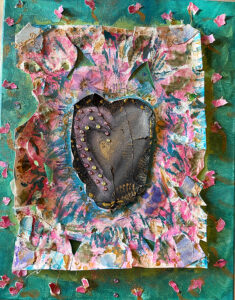
Guest Art, Bereavement
Art therapy supports us in making meaning from loss, guiding us in exploring memories and honoring our loved ones. It can reconnect us with inner strength and provide a sense of agency when hopelessness feels overwhelming. Immersing in the materials themselves provides a contemplative, sensory and kinesthetic experience that offers a way to process trauma and externalize pain.
Reflecting on the art we create can bring forward profound awareness to where we are in the present moment—offering vision when we feel blinded and openness when grief shuts us down.

Día de los Muertos is celebrated in Mexico and in Mexican communities living abroad. Photo by Moab Repulic/Shutterstock
As a rite of passage through grief, art therapy can also help us connect with our loved ones in spirit.
Artists have long used creative practice to connect with unseen dimensions. Across the world and throughout history, relationships with the deceased are creatively and lovingly sustained. Through ritual, intention and an openness to experience, art therapy becomes a safe space for personal creative expression that allows for insight, self-compassion and connection with our loved ones to arise.
Shared Humanity: Love in the Presence of Loss
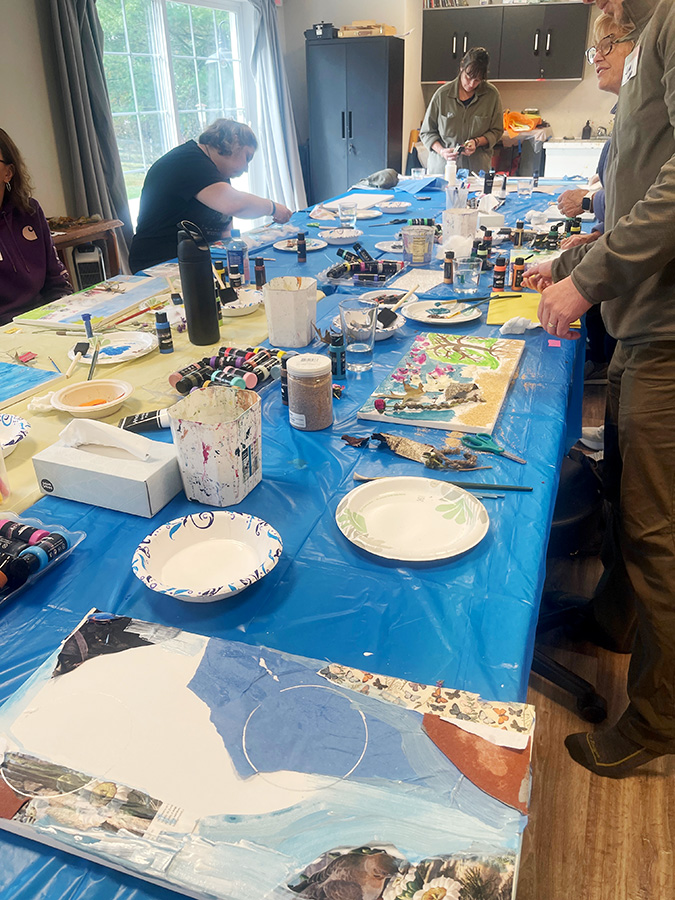
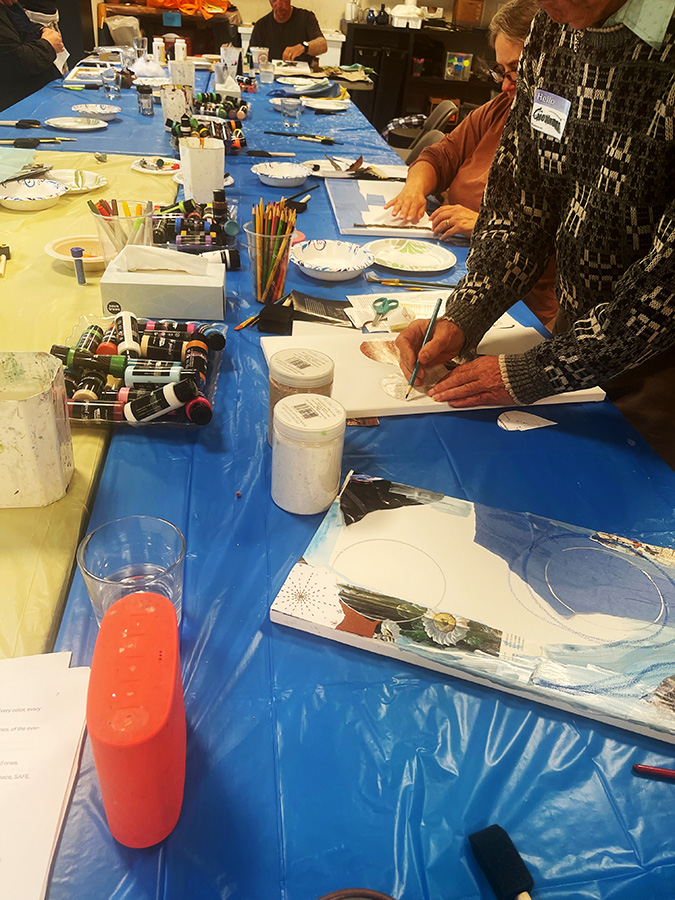
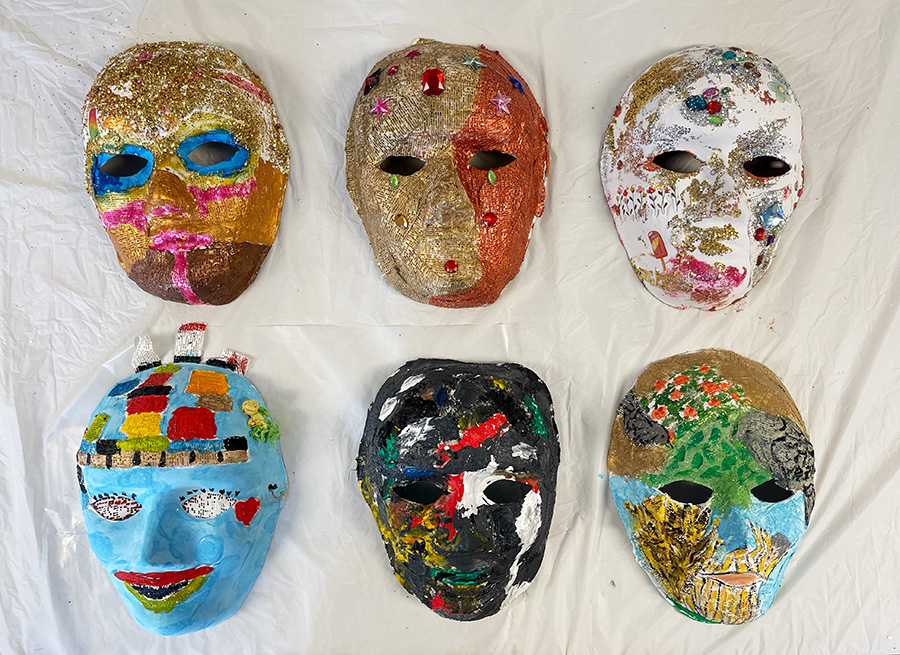
In addition to my own program, Awakening to Eternal Love, Comfort and Connection, I am privileged to share art therapy in bereavement settings through Helios Care Hospice in Oneonta, NY. For the past four years, we have provided yearly, daylong grief retreats, as well as unique, meaningful art therapy programming that serves our Delaware County community. From the Waves of Grief to Seasons of Growth to Unmasking our Grief, each program lovingly invites the bereaved to creatively express what is too painful for words through materials, symbol and metaphor.
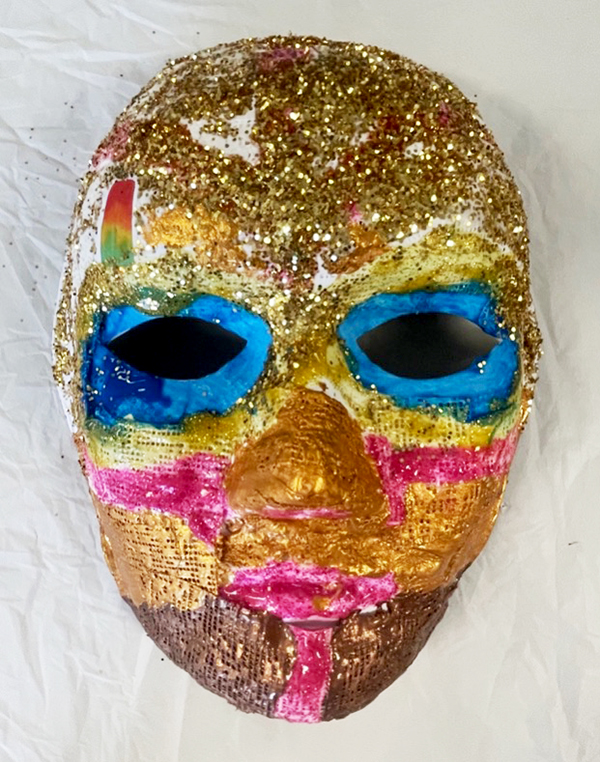
Guest Art, Unmasking Our Grief
Guest Art, Unmasking Our Grief
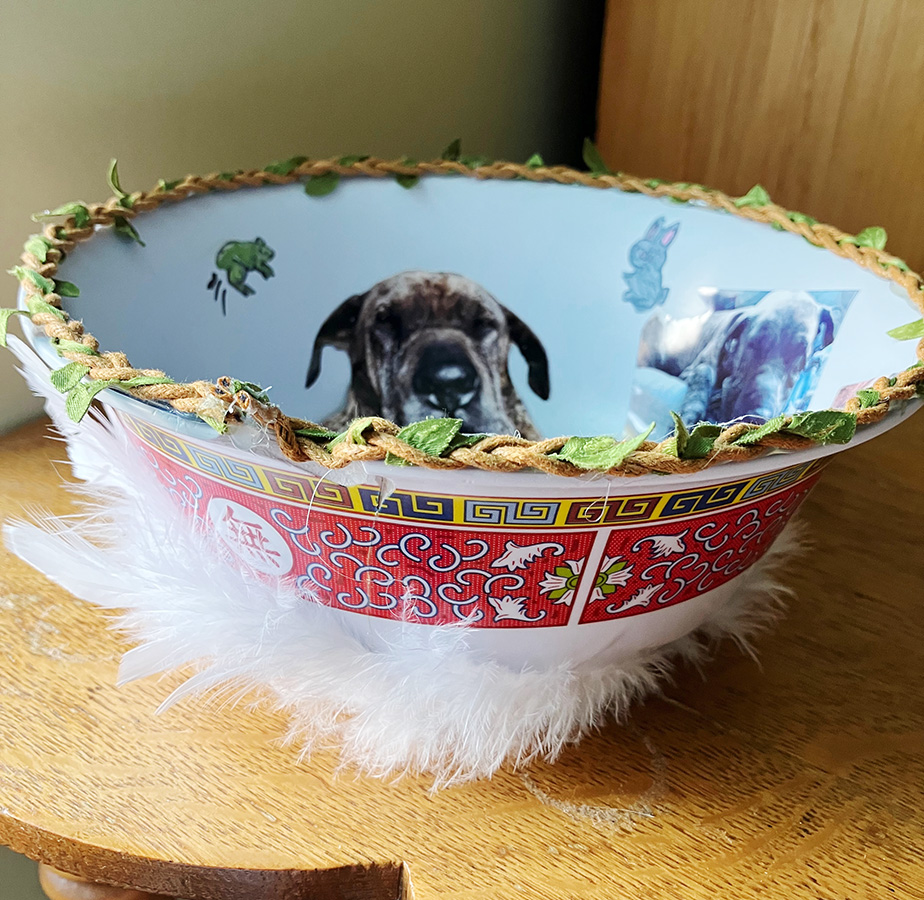
“Max,” client art
“Max,” client art
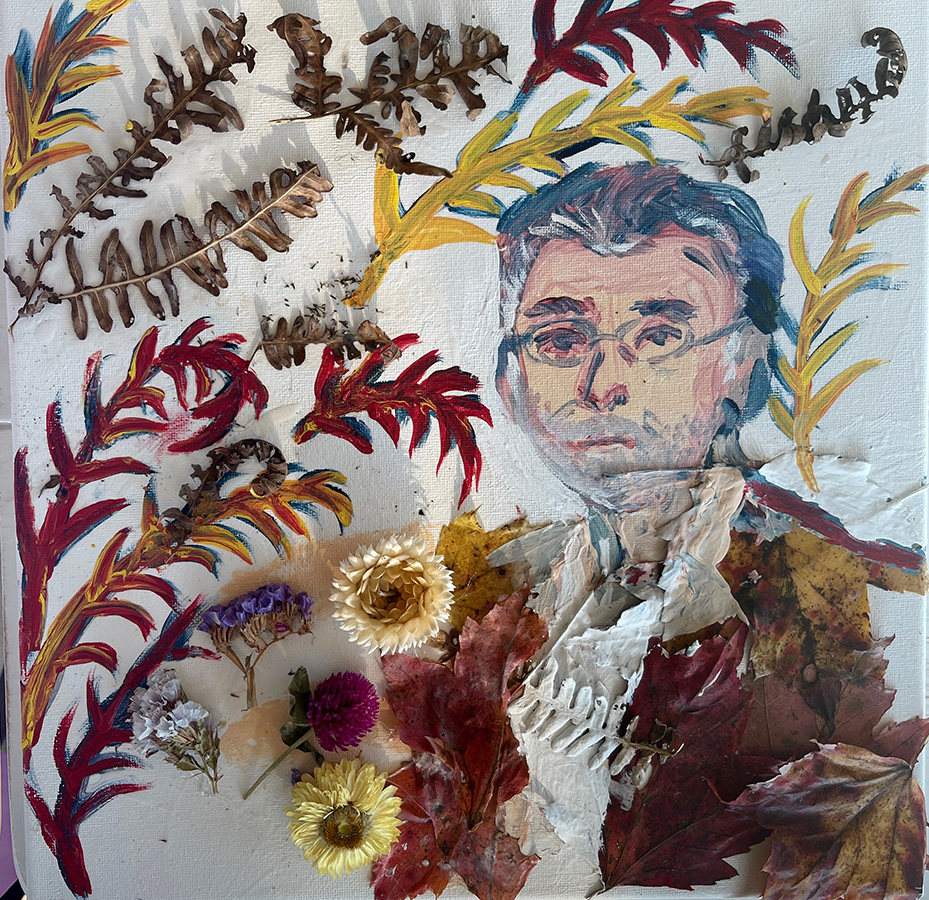
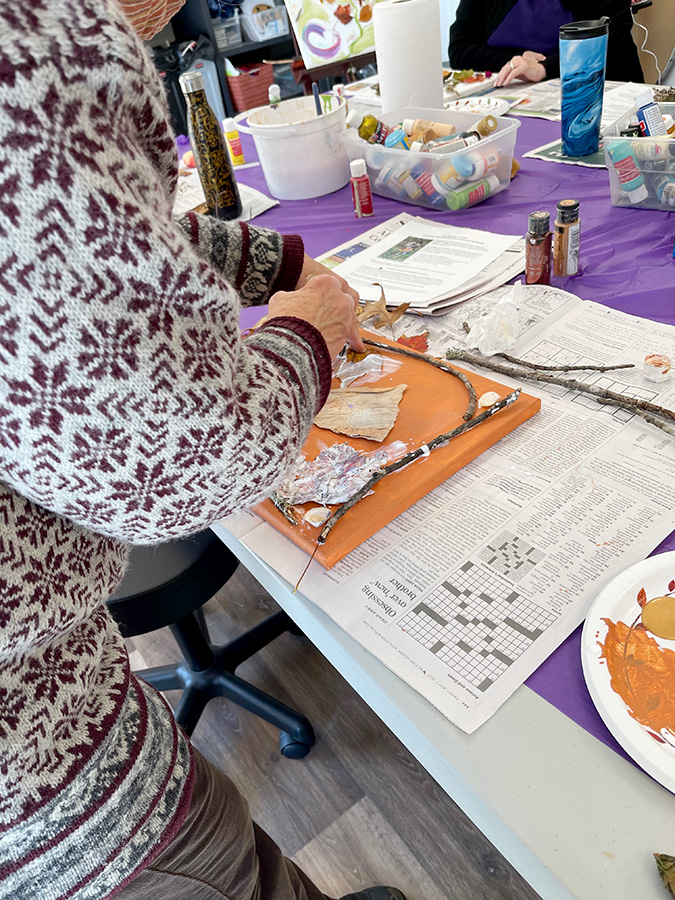
Guest art, Metaphors of Nature Grief Retreat
Guest art, Metaphors of Nature Grief Retreat
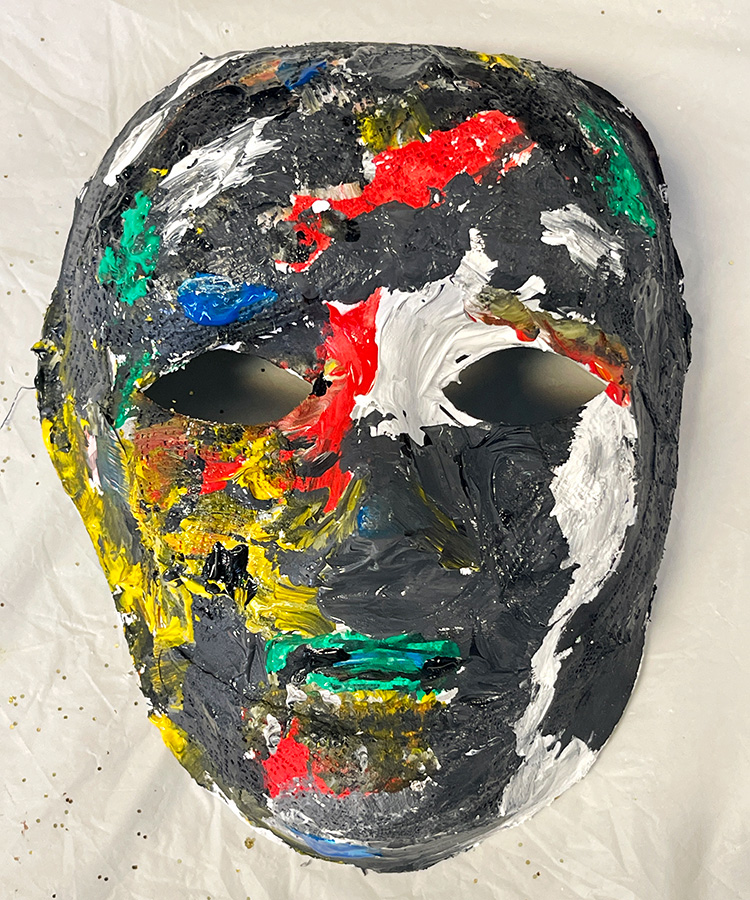
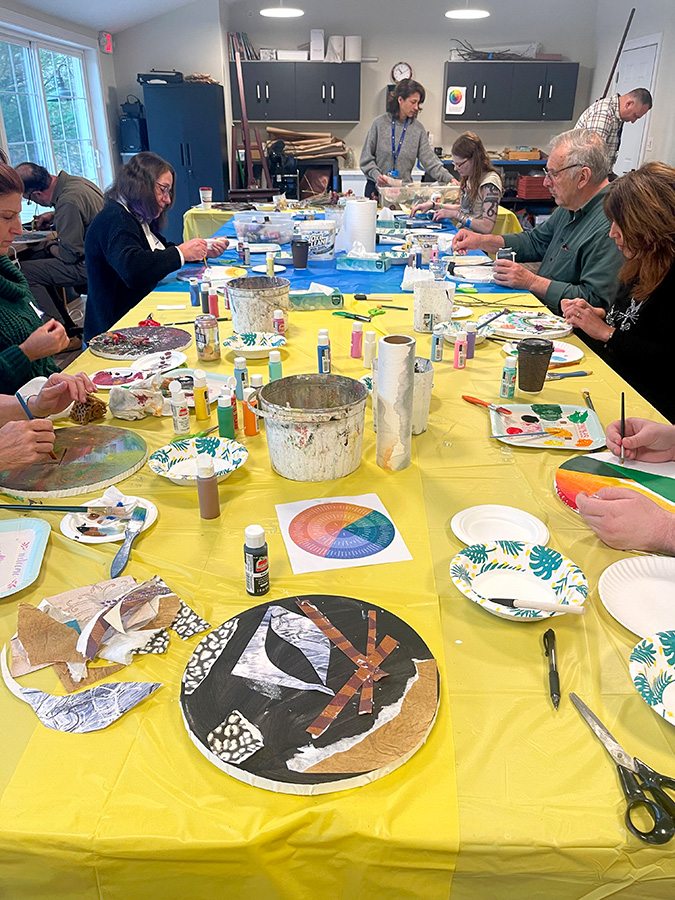
Guest Art, Unmasking Our Grief
Guest Art, Unmasking Our Grief
As our guests share their names, they are also invited to bring their loved ones into the room in whatever way feels right. In the safety of this non-judgmental space, inevitably, something quietly profound unfolds.
While each carries their own unbearable pain, they listen, respond and hold space for one another with remarkable tenderness. Across all stories of loss, a shared language of love emerges, reminding us that grief is a collective expression of connection that has no concept of politics or religion.
Witnessing this soul-to-soul care continues to affirm my faith in humanity, and our innate capacity to meet one another with compassion, even in our most vulnerable moments.
And, somehow, in each group, the conversation turns to signs and dreams.
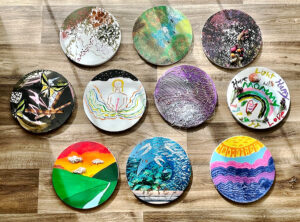
Grief Mandalas
In this sanctuary, guests share stories of reappearing hearts, doves and rainbows. They tell of feeling their loved ones, of flickering lights, of profound dreams and visitation dreams that brought them great healing.
They long to share these connections as something meaningful to hold – evidence that their loved one is not really gone. Above all, guests want to be normalized, affirmed and reassured that their encounters are real and valid.
Art therapy is a global mental health profession that supports us in safely expressing what may be too painful for words or may not be consciously known, offering a path through pain that allows for insight, reflection and healing.
Art of Grief, Client Art
Art therapy also helps us access our imagination – the place of all possibility, including ways of moving forward with grief.
There is no artistic experience required to participate in art therapy, because there is no right or wrong way to create.
As a clinically established path through grief, art therapy offers a safe, non-verbal way to process difficult emotions like anger, guilt and sadness.
Unmasking Our Grief Art Therapy Program,
© Elizabeth Bryan-Jacobs, 2026
Guest Art, Bereavement
Art therapy supports us in making meaning from loss, guiding us in exploring memories and honoring our loved ones. It can reconnect us with inner strength and provide a sense of agency when hopelessness feels overwhelming. Immersing in the materials themselves provides a contemplative, sensory and kinesthetic experience that offers a way to process trauma and externalize pain.
Reflecting on the art we create can bring forward profound awareness to where we are in the present moment—offering vision when we feel blinded and openness when grief shuts us down.
Día de los Muertos is celebrated in Mexico and in Mexican communities living abroad. Photo by Moab Repulic/Shutterstock
As a rite of passage through grief, art therapy can also help us connect with our loved ones in spirit.
Artists have long used creative practice to connect with unseen dimensions. Across the world and throughout history, relationships with the deceased are creatively and lovingly sustained. Through ritual, intention and an openness to experience, art therapy becomes a safe space for personal creative expression that allows for insight, self-compassion and connection with our loved ones to arise.
Shared Humanity: Love in the Presence of Loss
In addition to my own program, Awakening to Eternal Love, Comfort and Connection, I am privileged to share art therapy in bereavement settings through Helios Care Hospice in Oneonta, NY. For the past four years, we have provided yearly, daylong grief retreats, as well as unique, meaningful art therapy programming that serves our Delaware County community. From the Waves of Grief to Seasons of Growth to Unmasking our Grief, each program lovingly invites the bereaved to creatively express what is too painful for words through materials, symbol and metaphor.
Guest Art, Unmasking Our Grief
Guest Art, Unmasking Our Grief
“Max,” client art
“Max,” client art
Guest art, Metaphors of Nature Grief Retreat
Guest art, Metaphors of Nature Grief Retreat
Guest Art, Unmasking Our Grief
Guest Art, Unmasking Our Grief
As our guests share their names, they are also invited to bring their loved ones into the room in whatever way feels right. In the safety of this non-judgmental space, inevitably, something quietly profound unfolds.
While each carries their own unbearable pain, they listen, respond and hold space for one another with remarkable tenderness. Across all stories of loss, a shared language of love emerges, reminding us that grief is a collective expression of connection that has no concept of politics or religion.
Witnessing this soul-to-soul care continues to affirm my faith in humanity, and our innate capacity to meet one another with compassion, even in our most vulnerable moments.
And, somehow, in each group, the conversation turns to signs and dreams.
Grief Mandalas
In this sanctuary, guests share stories of reappearing hearts, doves and rainbows. They tell of feeling their loved ones, of flickering lights, of profound dreams and visitation dreams that brought them great healing.
They long to share these connections as something meaningful to hold – evidence that their loved one is not really gone. Above all, guests want to be normalized, affirmed and reassured that their encounters are real and valid.
The community experience of art therapy in bereavement settings is profoundly transformative.
Within these shared walls, all who enter are immerse in the materials, allowing them to hold what is too heavy to carry alone. Through image, process and presence, grief is witnessed rather than isolated. It is a gift to tend to this space – for those who gather and for the loved ones who they honor.